You've put real effort into your product — the recipe, the branding, the sourcing. But if the packaging fails, none of that matters. A bag that won't stay closed, a pouch that lets moisture in, or a seal that gives way in transit — these are the kinds of problems that lead to one-star reviews and lost customers.
This is where sealable food packaging does its job quietly in the background. When it works well, nobody notices. When it doesn't, everyone does.
This post covers what sealable food packaging actually is, what to look for, and the questions worth asking before you commit to a packaging partner.
Sealable food packaging refers to any packaging format that creates a closed, protective barrier around a food product keeping out air, moisture, and contaminants. The seal is the critical point. It determines whether the product stays fresh, whether it survives distribution, and whether it reaches the end customer in the condition you intended.
There are a few common seal types worth knowing:
Heat sealing — a controlled application of heat and pressure that bonds two layers of material together. Common in pouches, sachets, and flow-wrap formats.
Zipper or resealable packaging — allows the consumer to open and close the pack multiple times. Widely used for snacks, coffee, dry goods, and pet food.
Peel and seal — a peel-back lid or film that creates a hermetic seal until the consumer opens it. Common in trays and tubs.
Each type suits a different product and use case. There's no one-size-fits-all answer — which is why getting the specification right from the start matters.
Poor sealing is one of the most common and costly issues food brands deal with — and it's often underestimated until it becomes a real problem.
Here's what typically goes wrong:
Moisture ingress — biscuits go soft, coffee loses its aroma, herbs lose potency. The seal is the first line of defence against humidity.
Oxygen exposure — oxidation shortens shelf life and changes flavour. Even a small gap in the seal is enough to cause problems over time.
Transit failure — a seal that holds in the warehouse might not survive a 48-hour delivery journey. Drop tests and distribution stress matter.
Consumer complaints — a bag that's hard to open, impossible to reseal, or leaks in a shopping bag creates a poor experience that sticks with people.
Waste and returns — failed packaging means product you can't sell and complaints you have to handle. Both cost money.
These aren't edge cases. They're everyday risks for brands that haven't matched their packaging properly to their product.
A good food sealed packaging solution isn't just about the seal itself. It's about how the whole package — material, format, and seal type — works together.
A few things that matter:
Material compatibility — the film or laminate needs to be right for the product. High-fat content, sharp edges, heavy product weight — each creates different demands on the packaging material.
Barrier properties — oxygen barrier, moisture barrier, and light protection all play a role depending on the product. A coffee pouch needs different barrier specs than a fresh herb pack.
Seal consistency — a seal that works 95% of the time is not good enough for commercial production. Consistent seal strength across a full production run is what protects your brand.
Food safety compliance — materials in contact with food need to meet relevant safety standards. The FDA's guidance on food contact packaging materials is a useful reference point for understanding what that means in practice.
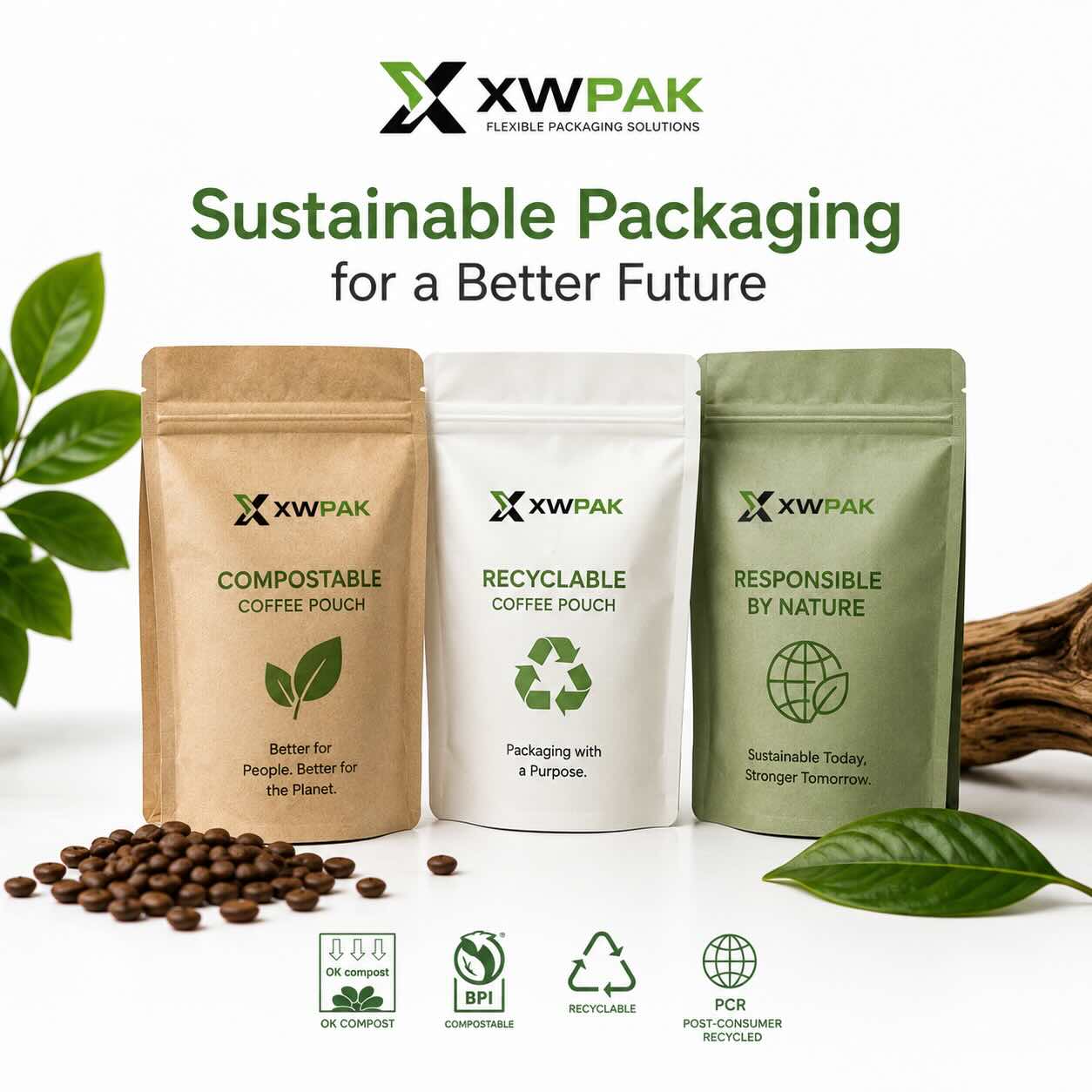
At XWpak, we manufacture packaging solutions for brands across multiple industries — but food is where a lot of the technical complexity lives. Products vary enormously: dry snacks, fresh herbs, ground coffee, protein powders, confectionery. Each has its own shelf life requirements, distribution conditions, and retail expectations.
Our approach to sealable food packaging starts with the product, not the format. Before recommending a seal type or material, we need to understand how the product behaves, where it's going, and how it will be used once it gets there.
We work across a range of formats — stand-up pouches, flat bottom bags, three-side seal sachets, zipper pouches, and more — and we can accommodate both short and longer production runs depending on where your brand is in its growth.
If you're in the food sector specifically, you can see more about how we work with food brands on our Food page.
Sealed packaging is opened once and not closed again. Resealable packaging can be opened and closed multiple times.
It depends on your product. Heat seals suit dry goods, zippers suit repeat use, and peel seals suit trays or single-serve items.
It helps maintain freshness after opening, but only if the barrier materials are strong enough.
Look for product expertise, consistent quality, and strong food safety compliance support.
Yes, if proper compliant materials and processes are used. Always request certification from the supplier.
The right seal doesn't just keep food fresh. It keeps your brand's reputation intact — every time a customer picks up your product, opens it cleanly, and finds it exactly as they expected.
Getting sealable food packaging right is one of those decisions that pays off quietly over time: fewer complaints, longer shelf life, better customer experience, and less product waste. It's worth spending time on.
If you're reviewing your packaging or starting from scratch, we're happy to talk through what makes sense for your product. Visit our food industry packaging to see how we work with food brands, or get in touch directly.