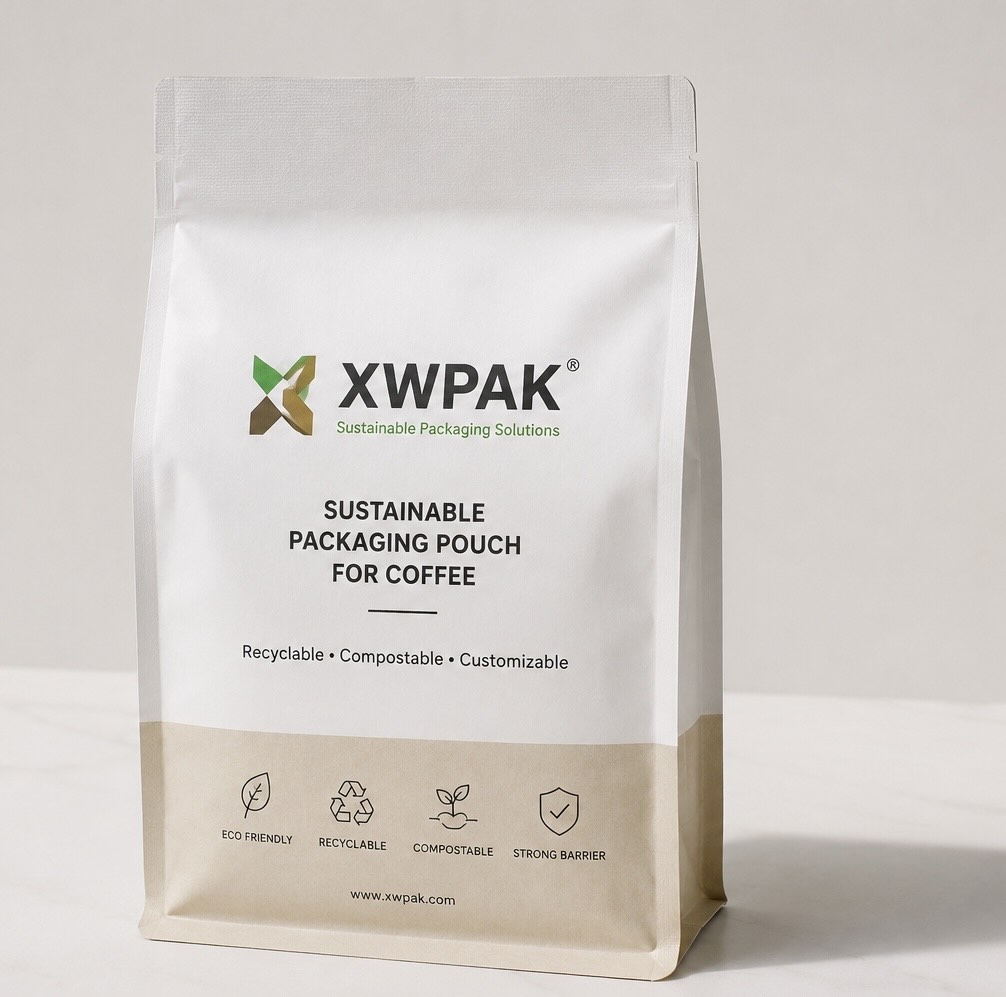
In a pouches every layer of laminate, every ink, every adhesive, and the heat-seal layer touching your product, all of it has to clear specific regulations in the country you sell into. The USA runs on FDA Title 21 CFR Parts 175 through 177. The EU runs on Regulation (EC) 1935/2004 plus Regulation (EU) 10/2011. These two systems do not recognise each other. A pouch cleared by the FDA might fail an EU audit, and the other way around too. If you sell across both markets you need both sets of paperwork, in writing, before you ship.
Here is what we are covering. What food-grade actually means at the chemistry level. Which FDA and EU regulations apply to flexible packaging. Which certifications retail buyers will demand on top of the legal floor. How to verify any supplier's compliance in ten minutes flat. And the specific documents we ship with every order at XWPAK custom flat bottom pouches. Procurement teams reading this will recognise most of it. Founders building a first SKU might find it eye-opening.
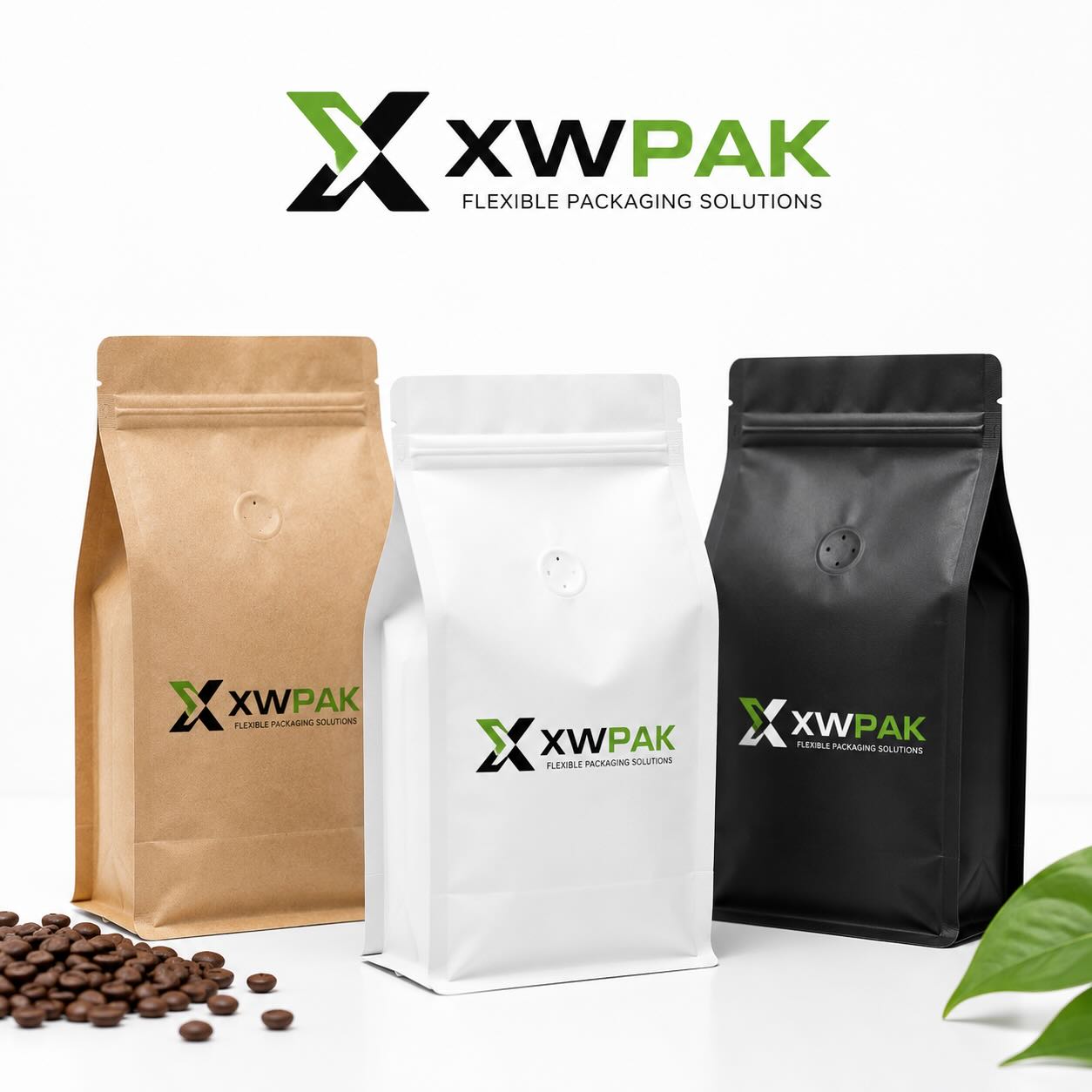
 | Featured Product Flat Bottom PouchFDA & EU 10/2011 food-contact compliant • BRCGS certified production • 5 printable panels • Low MOQ from 1,000 units View Product |
The technical word underneath food-grade is migration. Plastic films are not inert. Tiny amounts of monomers, plasticisers, stabilisers, and other compounds move from packaging into food during normal storage. Regulators have spent decades measuring how much movement is acceptable, for which substances, into which food types, at what temperatures. Food-grade just means the pouch passes those tests.
In Europe the rule is mathematically tidy. Total migration cannot exceed 10 milligrams of substance per square decimetre of food contact surface, or 60 milligrams per kilogram of food, whichever number bites first. Individual substances carry their own tighter limits, called specific migration limits. Melamine, for example, is capped at 2.5 mg per kg of food. The FDA does not work that way. Instead of universal limits, the FDA approves specific substances for specific food types under specific use conditions, and lists them by name in 21 CFR. Two completely different philosophies, both legally binding in their own market.
A flat bottom pouch is usually four layers. A printed outer film for branding. A barrier layer (foil or metallised PET) to block oxygen and light. An adhesive between layers. A heat-seal inner layer (usually polyethylene) that touches your food. Every one of those four has to be food-grade on its own, and the laminate as a finished structure has to pass migration testing. Layer-by-layer compliance does not automatically mean laminate compliance, which is a trap brands fall into when they buy films cheap from one source and have them laminated by another.
FDA jurisdiction over food-contact materials sits inside the Federal Food, Drug, and Cosmetic Act. For flexible pouches, four sections of 21 CFR matter. Part 174 is general indirect food additive regulation. Part 175 covers adhesives and coating components. Part 176 handles paper and paperboard. Part 177 is polymers, which is where most of your flat bottom pouch lives. Polyethylene homopolymer, the standard heat-seal layer, is cleared under 21 CFR 177.1520. Different polymer grades sit under different subsections of 177.
Some materials get cleared a different way. The FDA also issues Food Contact Notifications, which are substance-and-use-specific approvals tied to a particular manufacturer. If your supplier's material is cleared via FCN rather than published regulation, the documentation will reference an FCN number instead of a CFR section. Both routes are equally valid, but the document trail is different.
EU regulation is built on the precautionary principle. The umbrella legislation is Regulation (EC) 1935/2004, which says food-contact materials must not transfer harmful substances into food, must not change the food's composition, and must not affect taste, smell, or appearance. Underneath that umbrella, Regulation (EU) 10/2011 (called the Plastics Implementing Measure, or PIM in the trade) covers plastic materials specifically. The PIM contains a Union list of authorised substances, the migration limits we discussed earlier, and detailed rules for testing.
EU compliance is documented through a Declaration of Conformity. Every pouch sold into the EU must have one. The DoC names the regulations the material complies with, the food types it is suitable for, the contact conditions (temperature, duration, fat content of food), and any substances with specific migration limits the buyer needs to know about. No DoC means non-compliant. It does not matter how clean the test reports look. The legal artifact is the declaration itself.
EU rules update. Frequently. Bisphenol A is now restricted in food-contact materials under Regulation (EU) 2024/3190. Several phthalates have had their migration limits tightened in recent revisions. PFAS are heading toward broader restriction. A Declaration of Conformity older than twelve months should be reissued before a new production run, because the regulations it references may have changed underneath it.
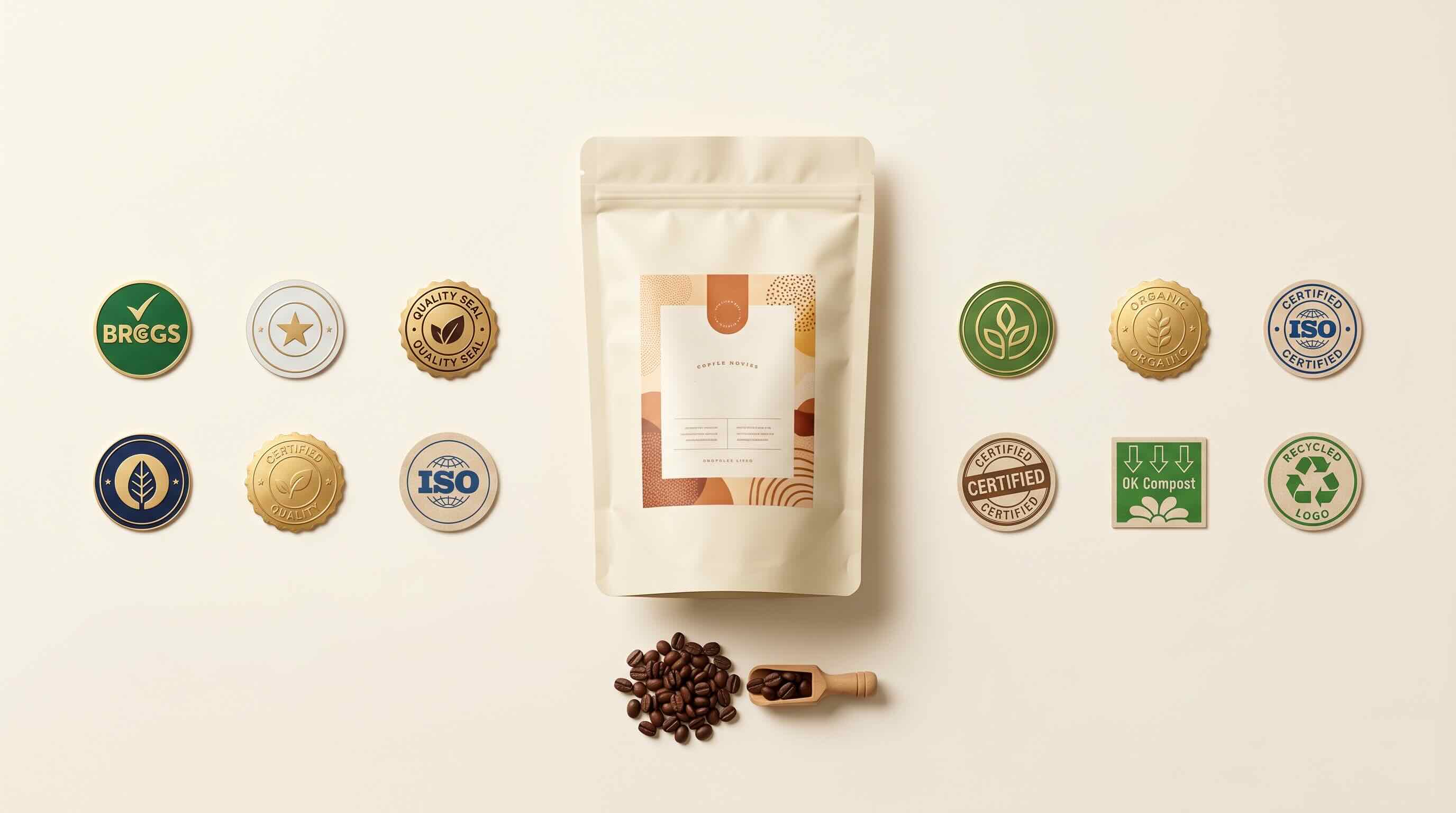
FDA and EU compliance is the legal floor. Major retailers expect more. If you want shelf placement at Tesco, Walmart, Costco, Carrefour, Whole Foods, or Aldi, your packaging supplier needs additional certifications proving that compliance is consistently delivered, not occasionally achieved. Four certifications carry weight in food packaging procurement.
BRCGS Packaging Materials is the heaviest. It used to be called BRC IoP. The standard covers product safety, quality systems, hygiene controls, and operational management at the manufacturing facility. Audits are unannounced and graded publicly from AA+ to D. Most major retailers will not source from suppliers below grade A. ISO 22000 covers food safety management systems and pairs well with BRCGS. ISO 9001 is the broader quality management standard that many buyers treat as table stakes. Sedex SMETA is the social and ethical audit, increasingly demanded by EU retailers under supply chain due diligence rules.
For sustainable food packaging the certification stack looks different. TÜV OK Compost (industrial and home variants), DIN CERTCO, and Global Recycled Standard for any recycled-content material. These are the labels retail sustainability teams audit before approving a brand for a sustainable shelf set. Compostable flat bottom pouches at XWPAK carry TÜV OK Compost Industrial and Home certification at the structure level, traceable from feedstock through finished pouch.
Verification is fast if the paperwork exists. Slow if it does not. Send a written request for these documents before placing your first order. A real food-grade operation will email everything back inside five working days, often the same day.
FDA Letter of Compliance. Cites specific 21 CFR sections for each material in the laminate. Should be on supplier letterhead, signed, dated within the last twelve months.
EU Declaration of Conformity. References Regulation (EC) 1935/2004 and Regulation (EU) 10/2011. Names the food types, contact conditions, and any restricted substances.
Migration test reports. From an accredited European laboratory. Done on the actual finished laminate, not on individual films. Tested with the food simulants relevant to your product (aqueous, acidic, alcoholic, fatty, or dry).
Audit certificates. Current BRCGS Packaging Materials certificate (or equivalent), ISO 9001, plus any product-specific labels (TÜV OK Compost, GRS, FSC) that apply to the order.
Traceability records. Lot numbers, raw material certificates of analysis, production batch records. Anything an auditor asks for to reconstruct the chain from your pouch back to the polymer pellet.
Once you have documents in hand, verify the certificates. BRCGS, TÜV, GRS, and FSC all run public registers online where you can check certificate numbers directly. Five minutes of register checks will catch most counterfeit or expired certificates before they become your problem.
XWPAK ships compliance paperwork with every food-grade order. Not on request. As standard. The pack includes the FDA Letter of Compliance with specific 21 CFR citations, the EU Declaration of Conformity referencing 1935/2004 and 10/2011, migration test reports from accredited European laboratories, and the audit certificates that apply (BRCGS Packaging Materials, ISO 9001, Sedex SMETA, TÜV OK Compost where relevant).
Every production run gets its own batch records and traceability data. Every reorder gets reissued documents reflecting any regulatory updates since the last run. Brands building food packaging programmes across multiple SKUs and markets get a single point of contact who manages the compliance pack across the whole product line.
Every layer of the laminate, every ink, adhesive, and closure component has to clear food-contact rules in the market where the product sells. For the USA that is FDA Title 21 CFR Parts 175 to 177. For the EU it is Regulation (EC) 1935/2004 with Regulation (EU) 10/2011, documented through a Declaration of Conformity.
No. The FDA approves specific substances for specific food types under 21 CFR. The EU sets overall migration limits (10 mg per square decimetre, or 60 mg per kg of food) and specific limits per substance under Regulation 10/2011. Different philosophies, different paperwork. A pouch cleared in one market is not automatically cleared in the other.
Five core documents. An FDA Letter of Compliance citing specific 21 CFR sections. An EU Declaration of Conformity referencing 1935/2004 and 10/2011. Migration test reports from an accredited lab. Current BRCGS Packaging Materials and ISO 9001 certificates. Full traceability records linking finished pouches back to source materials.
BRCGS Packaging Materials is the global standard for packaging facility certification, demanded by Tesco, Walmart, Costco, Carrefour, Whole Foods, Aldi, and most major retailers. It covers product safety, quality systems, and operational controls. Audits are unannounced and graded AA+ down to D. Without BRCGS or equivalent, premium retail placement is rarely achievable.
Request the supplier's FDA Letter of Compliance, EU Declaration of Conformity, migration test reports, and current BRCGS certificate in writing. Compliant operations return everything inside five working days. Then verify the certificates against the public registers run by BRCGS, TÜV, GRS, and FSC. Five minutes of register checks catches counterfeits before they cost you a recall.
Need food-grade flat bottom pouches with full compliance documentation?
Send us your product type, target markets, and SKU specs. We ship the compliance pack with FDA Letter of Compliance, EU Declaration of Conformity, migration test reports, and audit certificates alongside your first sample.
Request Compliance Pack